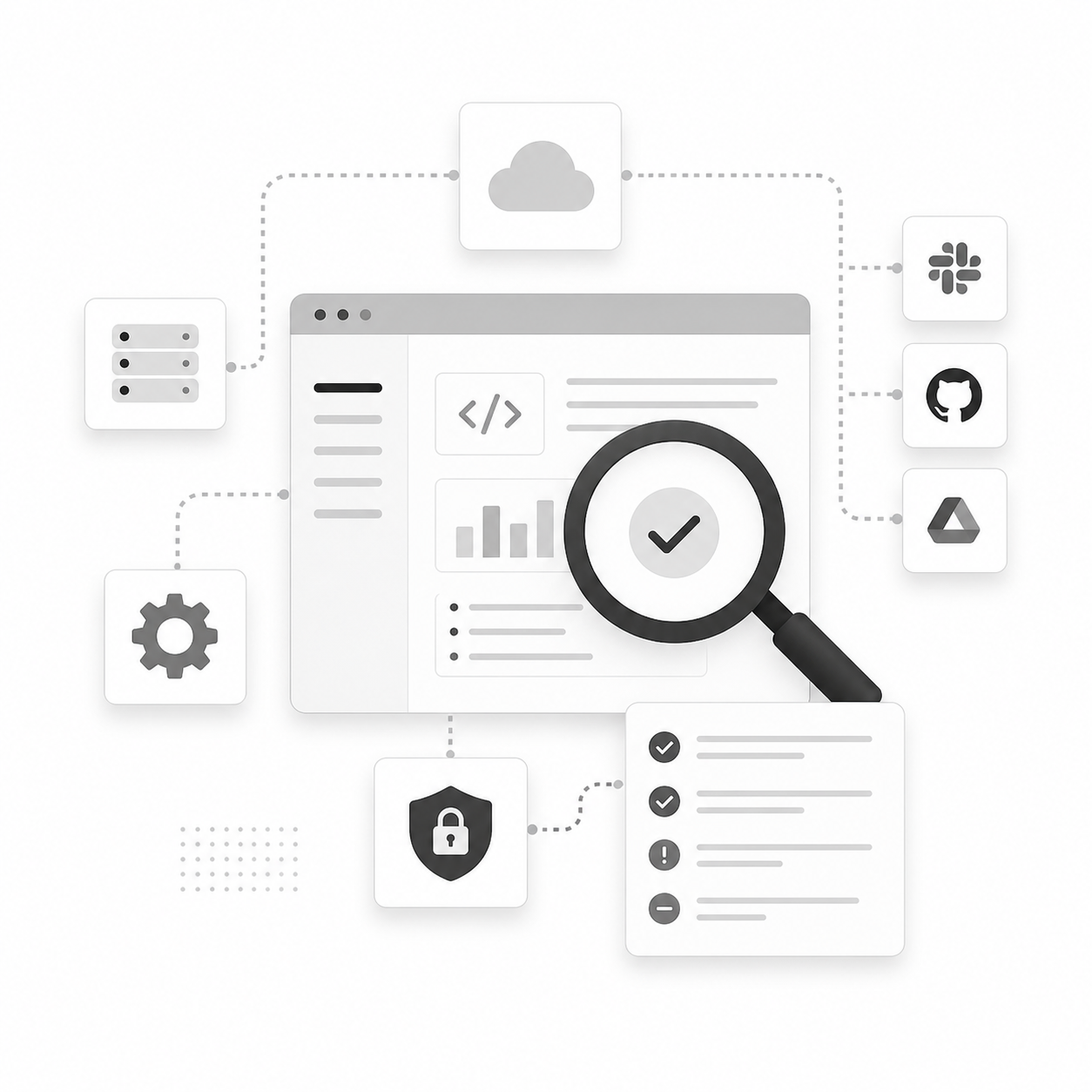
A structured, vendor-agnostic review of your current technology stack, operational workflows, and AI adoption opportunities to identify redundancy, risk, inefficiencies, scalability constraints, and the highest-priority areas for strategic improvement and procurement.
Typical scope
Review of current vendors, systems, and key service providers
Assessment of operational inefficiencies, vendor overlap, renewal exposure, and pricing risk
Identification of practical opportunities where AI-enabled technology could improve operational efficiency, scalability, automation, and workflow execution
Identification of near-term and longer-term technology and process improvement opportunities
Typical outputs
Technology Assessment Summary
Prioritized opportunity roadmap
Recommended actions for renewals, renegotiations, replacements, or consolidation

An ongoing partnership where Stevenson Procurement serves as an independent procurement lead across your vendor stack—supporting evaluations, renewals, consolidations, and negotiation strategy over time.
Typical scope
Intake and prioritization of procurement initiatives
Development of a repeatable procurement process
Ongoing vendor evaluations and second opinions
Renewal planning and negotiation support
Cross-functional stakeholder coordination
Periodic stack reviews and market updates
Typical outputs
Procurement process framework
Monthly & Quarterly priorities and planning support
Decision support memos
Renewal and negotiation tracking
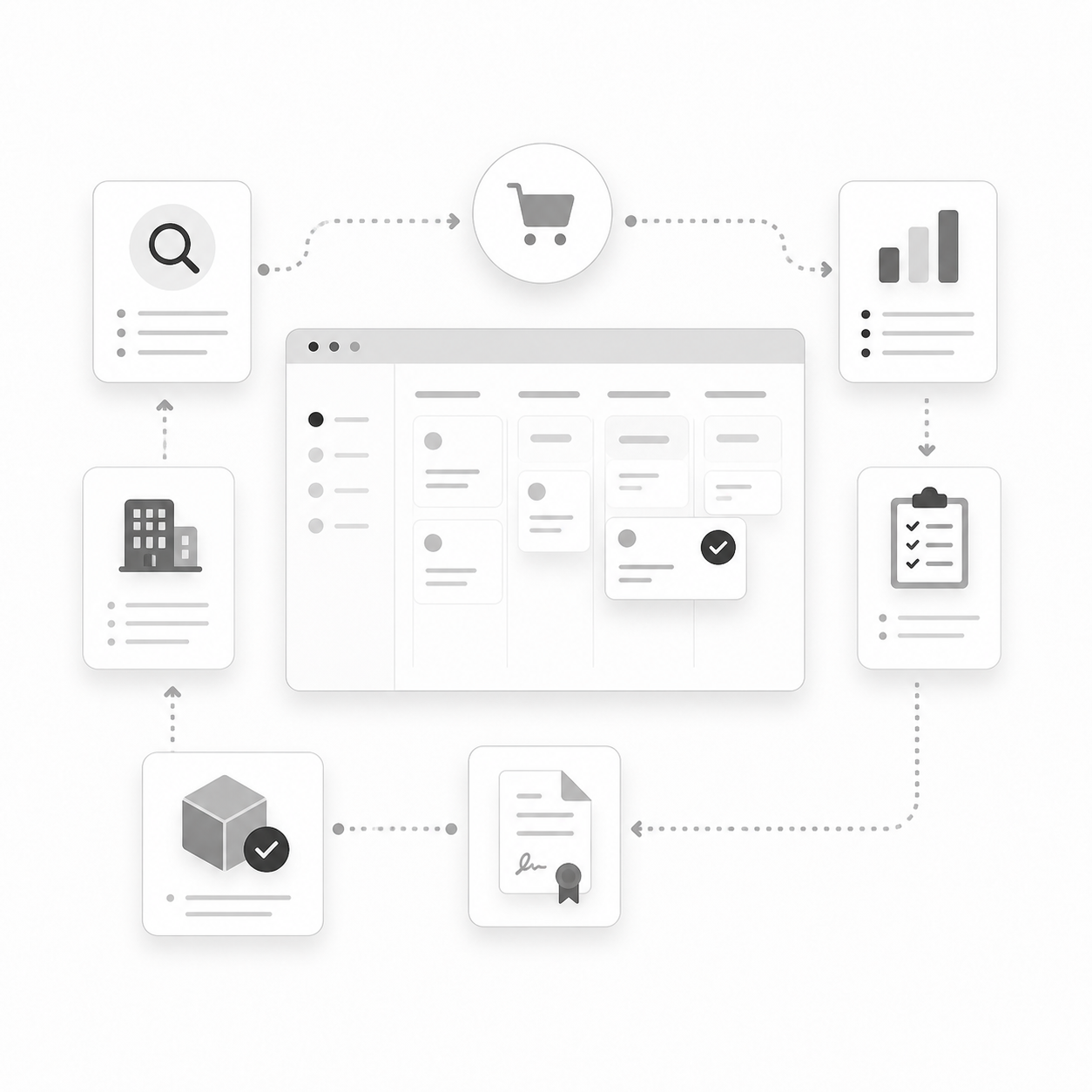
End-to-end guidance to help your firm evaluate and select the right vendor for a specific category, with an independent recommendation you can defend internally.
Typical scope
Requirements and success criteria definition
Market scan and shortlist development
Structured vendor evaluation
Stakeholder alignment and decision support
Pricing and commercial review support
Typical outputs
Requirements summary
Vendor comparison framework
Recommendation memo
Negotiation guidance
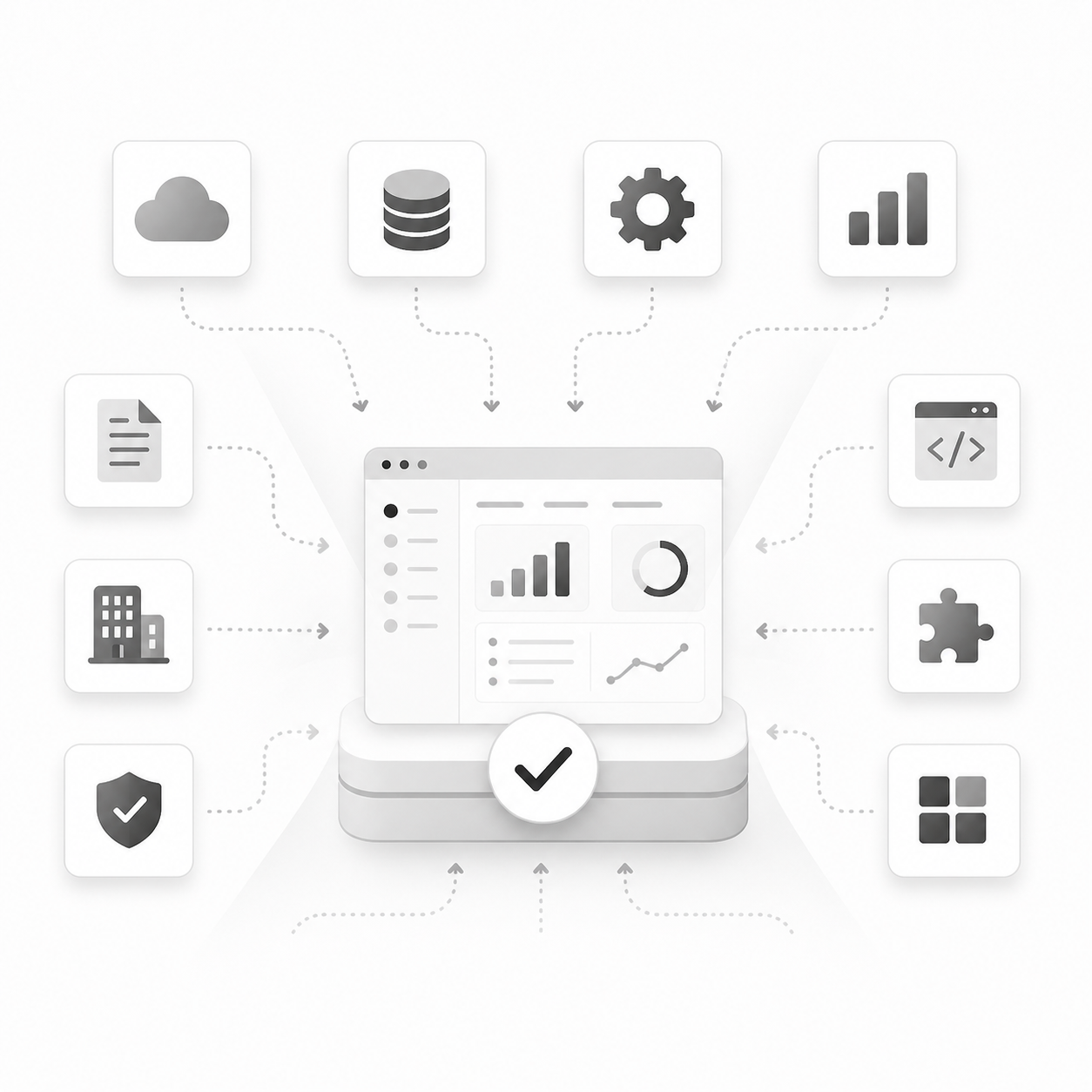
A consolidation-focused engagement designed to reduce vendor sprawl, streamline workflows, and evaluate whether a more unified operating model makes sense for your firm.
Typical scope
Review of overlapping systems, vendors, and manual workarounds
Assessment of what to keep, replace, or consolidate
Evaluation of sequencing, dependencies, and implementation considerations
Development of a business case around cost, risk, and operating impact
Typical outputs
Consolidation strategy summary
Target-state recommendations
Phased roadmap for vendor consolidation and transition
Business case support for internal decision-making
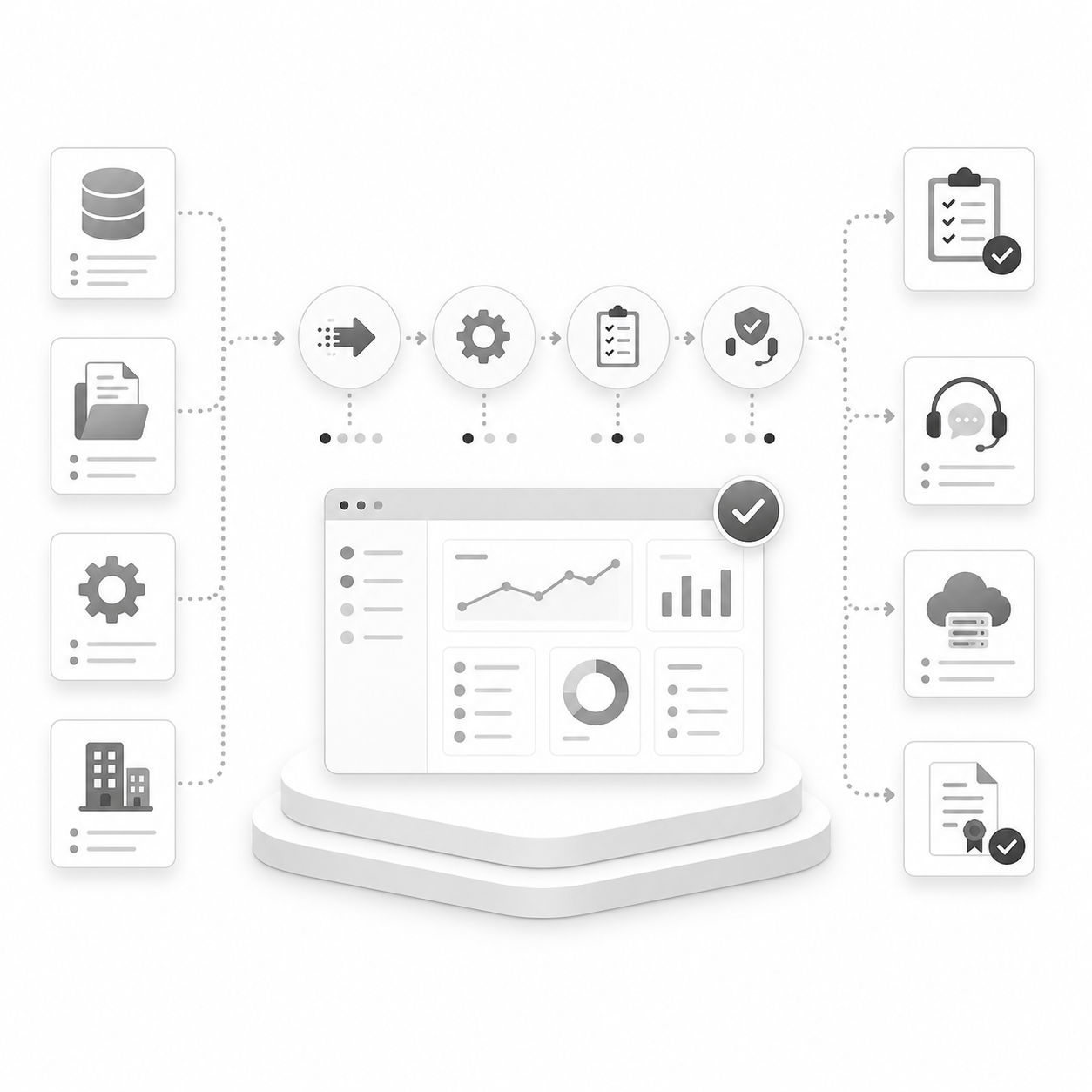
Independent transition support to help your team move from vendor selection into implementation with clearer planning, stronger governance, and better vendor accountability.
Typical scope
Implementation planning and milestone mapping
Governance support, including roles, cadence, and escalation paths
Coordination around migration and integration readiness at a high level
Change management support for communication, training, and adoption
Risk and issue tracking support
Typical outputs
Transition plan
Implementation governance outline
Risk and issue tracker
Go-live readiness support
No results match your search. Try removing a few filters.
